Why this comes up so often here
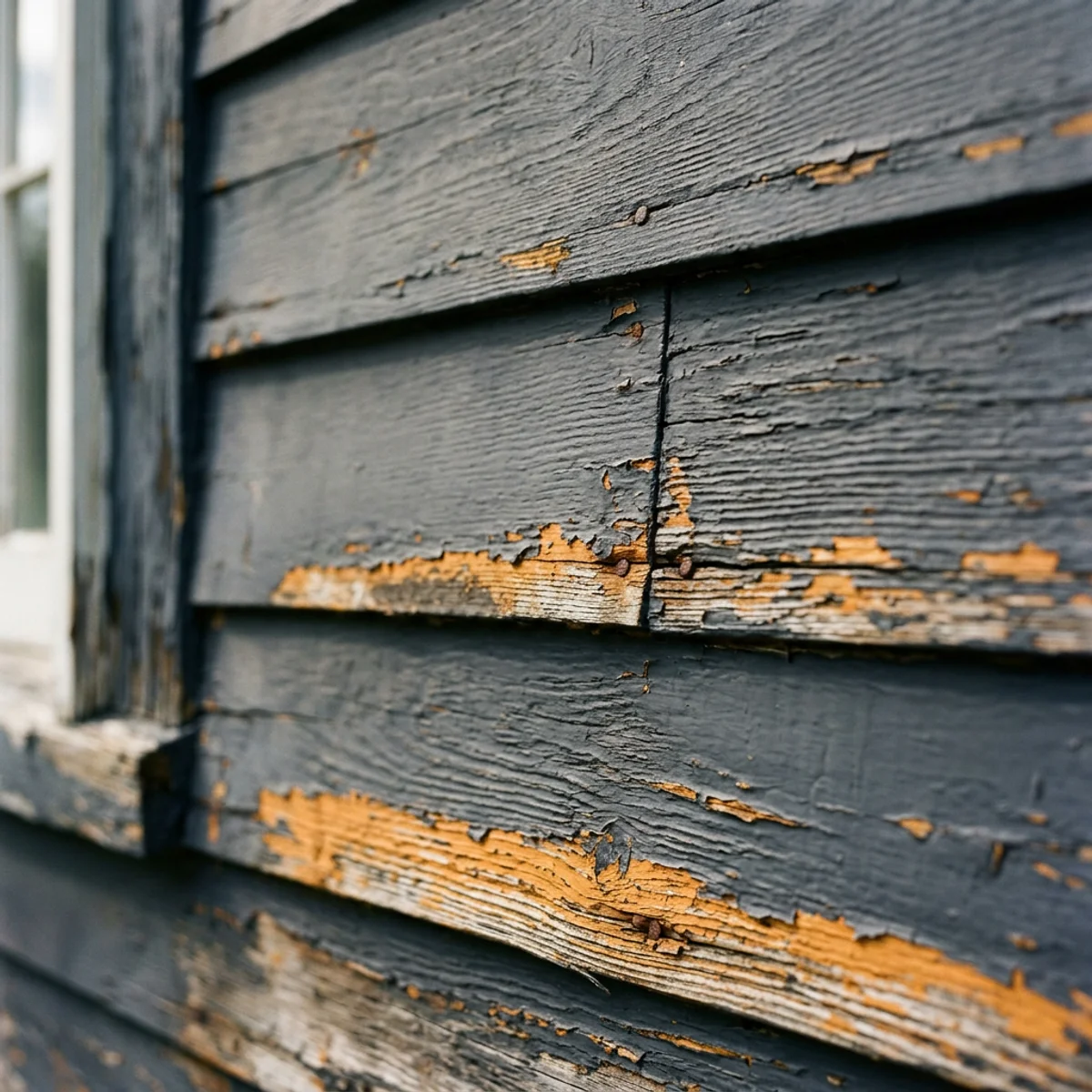
Connecticut has a lot of old houses. A large share of the state’s housing stock was built before 1978, which is when lead-based paint was banned for residential use in the United States. If you live in a colonial in Wethersfield, a two-family in New Haven, or a farmhouse outside Simsbury, there is a reasonable chance there is lead paint somewhere under the layers, even if nobody has seen it in decades.
That matters the moment a contractor starts sanding, scraping, cutting, or demolishing a painted surface. Intact paint sitting under three later coats is one thing. Paint turned into dust by a sander is another, and lead dust is the actual hazard. This is why so many Connecticut jobs, from window replacement to a straightforward repaint, touch federal lead rules that a homeowner has never heard of.
Every one of the trades our True Level Media directories cover can run into this: painters, window and door installers, kitchen and bath remodelers, and anyone opening up a wall.
What EPA Lead-Safe Certified Firm status is
The Environmental Protection Agency runs a federal certification program for firms doing renovation, repair, and painting work that disturbs paint in pre-1978 housing and in child-occupied facilities. It is usually called the RRP rule, and firms that meet it are listed as EPA Lead-Safe Certified Firms.
In broad terms, a certified firm has to use lead-safe work practices, have certified renovators on the job, contain the work area, clean up in a specified way, and keep records. The firm holds the certification; individual renovators hold their own training certificates.
The scope of the rule, its exemptions, and its thresholds are set by the EPA and are the kind of detail that changes. Read the current version at epa.gov rather than a summary. We do not restate square-footage thresholds or exemption limits on this page, because a stale number copied from somewhere else is worse than sending you to the source. If you do see a threshold quoted anywhere, check whether it is expressed per room for interior work, because that distinction is easy to lose and changes the answer.

How to ask a contractor for proof
Ask early, before the quote is signed, and ask for something specific.
- “Is your firm EPA Lead-Safe Certified?” A firm doing this work regularly will answer immediately and will not be surprised by the question.
- “Can you send me a copy of the firm’s certificate?” Certified firms hold a certificate with the firm name on it. Ask for the document, not a verbal yes.
- “Who is the certified renovator on my job?” The firm’s certification and the individual’s training are different things, and both matter on site.
- “How will you contain and clean the work area?” The answer tells you whether the rule is something they follow or something they have heard of.
Then confirm what you were told. The EPA publishes a search for certified firms at epa.gov, and checking it yourself takes a couple of minutes. Do that rather than relying on a forwarded screenshot, for the same reason you would check a contractor’s registration at the state source instead of taking a photo of a card at face value.
Where this comes up, trade by trade
It is easy to assume this is a painter’s problem. It is not.
Painting is the obvious one: sanding, scraping, and surface preparation on an old exterior or an old window casing disturb paint by definition.
Window and door replacement is the one people forget. Removing an old sash or a painted frame in a pre-1978 house disturbs paint at the exact point where children’s hands rest.
Kitchen and bath remodeling disturbs painted walls, trim, and ceilings as a matter of routine, and demolition generates the most dust of any residential work.
Carpentry, siding, and general repair run into it whenever painted material is cut or removed.
Roofing and masonry may involve painted trim, soffits, and fascia even when the main work does not.
The practical rule is simple: if painted surfaces in an older house are going to be cut, sanded, scraped, or torn out, ask the question before the work is scheduled rather than after the crew arrives. A firm that does this work regularly will not be thrown by it.
What a certification does not tell you
It tells you a firm has met a federal requirement for handling old paint safely. It says nothing about whether the finish will last, whether the crew shows up, or whether the invoice matches the estimate.
Those questions are answered by evidence of completed work, which is what public customer reviews are for when they are read properly rather than averaged. How to read contractor reviews without being fooled covers how to do that.
For an older Connecticut house, the sensible order is: confirm registration, confirm lead-safe certification where the work disturbs paint, then weigh the reviews. Each one answers a different question, and skipping the first two because the reviews look good is how homeowners end up with a problem no review warned them about.